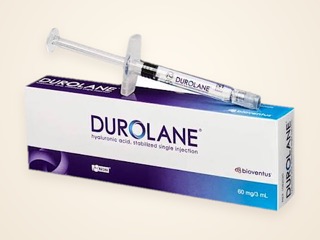
The most common side effects of hyaluronic acid injections are pain, swelling and stiffness in the injected joint for a day or two. Serious problems, such as infection or a severe inflammatory flare, are rare. Large reviews suggest the risk of serious side effects is slightly higher than with a placebo injection, so it’s worth weighing the likely benefit for you before going ahead [1][2].
This article explains what to expect, what’s rare but important, and when to seek help.
What are hyaluronic acid injections?
Hyaluronic acid is a natural part of the fluid that lubricates and cushions joints. In osteoarthritis, this fluid becomes thinner. Hyaluronic acid injections, also called viscosupplementation, put a gel-like form of it into the joint to try to ease pain and stiffness.
They’re mostly used for knee osteoarthritis, and sometimes for the hip and other joints. Products differ in how they’re made and how many injections are needed. Some, such as Cingal, also contain a steroid.
Common side effects
These usually start within a day and settle within a few days:
- pain or aching at the injection site or in the joint;
- mild swelling, warmth or stiffness of the joint;
- a small bruise where the needle went in;
- a feeling of fullness in the joint.
Rest, an ice pack wrapped in a towel and simple painkillers usually help.
A flare of pain and swelling
Some people have a stronger reaction, with a painful, swollen joint for a few days. In a large review, flares were somewhat more common after hyaluronic acid than after a placebo injection, though the difference wasn’t certain [1].
Rarely, a severe inflammatory reaction called a pseudoseptic reaction develops within a few days. The joint becomes very painful, hot and swollen, and looks like an infection. It has mainly been reported with one chemically modified product, hylan [3]. It needs urgent assessment, because tests on the joint fluid are needed to tell it apart from infection.
Rare but serious side effects
Joint infection (septic arthritis). Any injection into a joint carries a very small risk of infection. Signs are increasing pain, heat, redness and swelling, often with a fever, usually from a couple of days after the injection. This is an emergency.
Allergic reaction. This is uncommon. Signs include an itchy rash, hives, swelling of the face or lips, or difficulty breathing. Some hyaluronic acid products are made from animal sources and others by bacterial fermentation, so tell your clinician about any allergies.
Steroid side effects with combined products. If the injection also contains a steroid, as Cingal does, it can raise blood sugar in people with diabetes for a few days and may cause facial flushing.
What the research says about safety and benefit
Reviews of hyaluronic acid injections reach different conclusions, and it’s worth knowing why.
A Cochrane review found that hyaluronic acid improved knee pain and function compared with placebo, with the clearest effect 5–13 weeks after injection. Within the limits of the trials, no major safety issues were found [4].
Two later reviews, which gave more weight to large, high-quality trials, found a smaller benefit, often less than patients would notice. Both also found a small increase in serious adverse events compared with placebo [1][2]. Not all of those events were clearly caused by the injection, and safety reporting in trials was often poor.
UK national guidance for the NHS doesn’t recommend hyaluronic acid injections for osteoarthritis, mainly because of the uncertain benefit. Some people do report useful relief, and results vary. A good assessment should help you decide whether it’s worth trying in your case.
Who should avoid hyaluronic acid injections?
They’re not suitable if you have:
- an infection in or near the joint, or broken or infected skin over it;
- a known allergy to hyaluronic acid or any ingredient in the product.
Extra care is needed if you take blood thinners, have a bleeding disorder, have diabetes (for products containing steroid), or are pregnant or breastfeeding. Tell your clinician about any previous reaction to a joint injection.
Aftercare to reduce side effects
Most clinicians advise taking it easy for the first 48 hours. Avoid running, long walks, heavy lifting and sport, then build up gradually. Keep the plaster on and the area clean and dry for the rest of the day.
When to get help
Contact the clinic or your GP the same day, or go to A&E out of hours, if:
- the joint becomes hot, red and very swollen;
- pain keeps getting worse after the first day or two instead of settling;
- you have a fever or feel generally unwell;
- you can’t put weight on the leg or move the joint.
Call 999 if you have swelling of the face or throat, or difficulty breathing.
Hyaluronic acid injections at Vale Health Clinic
At Vale, every injection is ultrasound-guided, so the clinician can see the needle reach the joint. Your consultation is free. We go through your health, medicines and allergies, talk honestly about the likely benefit, and discuss other options such as exercise, a cortisone injection or Arthrosamid.
Prices for one area are £300 for Ostenil Plus, £350 for Durolane and £400 for Cingal. Read more about hyaluronic acid injections or call 01892 543029.
References
- Rutjes AW, Jüni P, da Costa BR, et al. Viscosupplementation for osteoarthritis of the knee: a systematic review and meta-analysis. Ann Intern Med 2012;157(3):180–191. doi:10.7326/0003-4819-157-3-201208070-00473
- Pereira TV, Jüni P, Saadat P, et al. Viscosupplementation for knee osteoarthritis: systematic review and meta-analysis. BMJ 2022;378:e069722. doi:10.1136/bmj-2022-069722
- Goldberg VM, Coutts RD. Pseudoseptic reactions to hylan viscosupplementation: diagnosis and treatment. Clin Orthop Relat Res 2004;(419):130–137. doi:10.1097/00003086-200402000-00021
- Bellamy N, Campbell J, Robinson V, et al. Viscosupplementation for the treatment of osteoarthritis of the knee. Cochrane Database Syst Rev 2006;(2):CD005321. doi:10.1002/14651858.CD005321.pub2
This article is general information, not personal medical advice. Please speak to a clinician about your own situation.
This article is general information and isn’t a substitute for advice about your own health. If you’re worried about a symptom, speak to your GP or book an assessment.