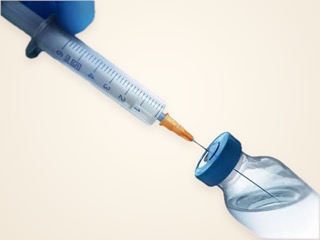
You don’t need bed rest after a cortisone injection. Most people are advised to take it easy for the first 24–48 hours and to avoid heavy or repetitive use of the injected area for a few days. If the injection was into or around a tendon, the period of lighter use is usually longer, often up to about two weeks.
The exact advice depends on where you were injected, what was treated and how active you normally are. This guide explains the reasoning, so you can follow your clinician’s advice with confidence.
Why rest after a cortisone injection?
A cortisone injection puts a corticosteroid, a strong anti-inflammatory medicine, into or around a painful joint or tendon. It’s often mixed with local anaesthetic. There are three reasons to go gently afterwards.
The local anaesthetic hides pain. For a few hours the area may feel much better than it really is. It’s easy to overdo things and pay for it later.
The steroid needs time to work. Most people notice improvement after a few days, though for some it takes up to a couple of weeks.
Tendons may be weaker for a short time. Steroid can soften tendon tissue. Avoiding heavy loading for a while reduces the small risk of damage.
What does the evidence say?
Surprisingly little research has tested rest directly. In one small trial in people with inflammatory arthritis of the knee, 24 hours of strict bed rest in hospital after the injection led to better results for up to six months, compared with going home as usual [1].
That study involved inflammatory arthritis, not the more common osteoarthritis, and strict bed rest is no longer advised for most people. Today’s advice of a short period of relative rest, followed by a gradual return to activity, is based on this kind of evidence plus clinical experience.
How long to rest each joint
These are typical guidelines. Follow the advice your clinician gives you for your injection.
Knee or hip. Walk normally around the house on the day, but avoid long walks, running, jumping and heavy lifting for at least 2–3 days. Build up gradually over the following week.
Shoulder. Use the arm for everyday tasks, but avoid lifting above shoulder height, heavy lifting and sports such as tennis or swimming for a few days.
Elbow, wrist or hand. Avoid gripping, carrying or repetitive hand work for a few days. For tennis or golfer’s elbow, keep loading light for about two weeks before restarting strengthening exercises.
Foot and ankle. Limit walking and standing for 1–2 days. For heel pain (plantar fasciitis), avoid running and long periods on your feet for about two weeks.
Is walking safe after a cortisone injection?
Yes. Gentle walking is fine and helps prevent stiffness. If the injection was in your hip, knee or ankle, keep walks short for the first couple of days and stop if pain builds.
Can you drive after a cortisone injection?
Don’t drive straight after an injection into your leg, or into your right arm or shoulder, if the area feels numb or weak. Local anaesthetic can reduce control for a few hours. It’s easiest to arrange a lift home. You must be able to control the car fully, including in an emergency stop.
Do you need time off work?
Most people with desk jobs can return the same or next day. If your work is physical, or uses the injected area heavily, a day or two off, or lighter duties for a few days, is sensible.
When can you go back to the gym or start running?
Most people can return to light gym work after 3–4 days, starting with exercises that don’t load the injected area. Increase load over the following week or two.
After an injection in the leg, hip or back, avoid running for about a week, then start with short, easy runs. If the injection was for a tendon problem, wait about two weeks before running or heavy strengthening, and return gradually.
A cortisone injection eases pain but doesn’t repair tissue. A rehabilitation plan matters. In tennis elbow, for example, people given steroid injections did better in the short term but worse at six to twelve months than those who had other treatments or waited [2].
Side effects to look out for
Most side effects are mild and short-lived.
- A flare of pain for 24–48 hours, sometimes called a steroid flare. Ice and simple painkillers usually help.
- Facial flushing for a day or two.
- Higher blood sugar if you have diabetes. A review found that blood sugar rose after joint injections in people with diabetes, usually within one to three days. It advises checking your levels more often for up to a week [3].
- Thinning or paler skin at the injection site, usually with injections near the surface.
- Infection, which is rare but serious.
- Tendon weakening or rupture, which is rare.
For knee osteoarthritis, a Cochrane review found that steroid injections may reduce pain for a few weeks. Evidence of longer-term benefit is weak [4].
When to get help
Contact the clinic or your GP the same day, or go to A&E out of hours, if you notice:
- the joint becoming hot, red and swollen, especially after the first 48 hours;
- pain that keeps getting worse instead of settling;
- a fever or feeling generally unwell;
- signs of an allergic reaction, such as a rash, swelling of the face or difficulty breathing (call 999).
Cortisone injections at Vale Health Clinic
All injections at Vale are ultrasound-guided, so the clinician can see where the needle is going. We give you advice on activity and exercises for the area treated, and check how you’re getting on. A cortisone injection costs £250 for one area. Read more about cortisone injections or call 01892 543029.
References
- Chakravarty K, Pharoah PD, Scott DG. A randomized controlled study of post-injection rest following intra-articular steroid therapy for knee synovitis. Br J Rheumatol 1994;33(5):464–468. doi:10.1093/rheumatology/33.5.464
- Coombes BK, Bisset L, Vicenzino B. Efficacy and safety of corticosteroid injections and other injections for management of tendinopathy: a systematic review of randomised controlled trials. Lancet 2010;376(9754):1751–1767. doi:10.1016/S0140-6736(10)61160-9
- Choudhry MN, Malik RA, Charalambous CP. Blood glucose levels following intra-articular steroid injections in patients with diabetes: a systematic review. JBJS Rev 2016;4(3):e5. doi:10.2106/JBJS.RVW.O.00029
- Jüni P, Hari R, Rutjes AW, et al. Intra-articular corticosteroid for knee osteoarthritis. Cochrane Database Syst Rev 2015;(10):CD005328. doi:10.1002/14651858.CD005328.pub3
This article is general information, not personal medical advice. Please speak to a clinician about your own situation.
This article is general information and isn’t a substitute for advice about your own health. If you’re worried about a symptom, speak to your GP or book an assessment.